
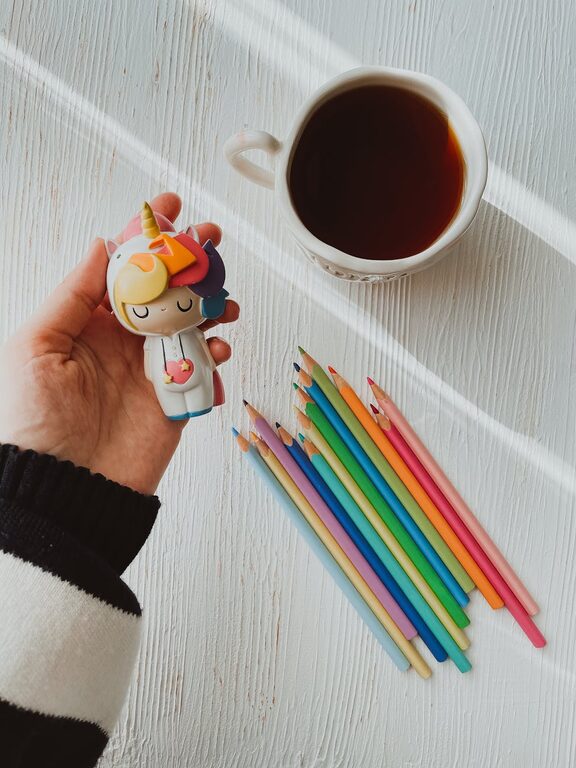
Creativity is often seen as a special gift reserved for artists, writers, and designers, but in reality, everyone can nurture and develop their creative abilities. Practicing creativity doesn’t require special tools or hours of free time—small, consistent habits can make a big difference. Whether you want to enhance problem-solving skills, find inspiration in everyday life, or simply enjoy more imaginative thinking, daily creativity exercises can help.
In this post, we’ll explore simple and practical ways to practice creativity every day. These ideas are easy to fit into your routine and designed to make creativity a natural part of your life.
Why Practice Creativity Daily?
Making creativity a daily habit can boost your confidence, improve mental flexibility, and even reduce stress. When you engage your mind in creative activities regularly, you train your brain to think differently and open up to new possibilities. Daily creativity is not about producing masterpieces—it’s about the process of exploring and enjoying your own ideas.
Simple Ways to Practice Creativity Every Day
1. Keep a Creativity Journal
Start a small notebook or digital document dedicated to jotting down ideas, thoughts, sketches, or interesting observations.
– Why it helps: Writing or sketching regularly stimulates your mind and provides a reference for future projects.
– How to do it: Spend 5-10 minutes daily capturing anything that inspires you, from random thoughts to things you observe around you.
2. Try a Daily Drawing or Doodle
You don’t need to be an artist to benefit from drawing. Doodling can help you relax and think more freely.
– Why it helps: Visual expression engages different parts of your brain and encourages creative problem-solving.
– How to do it: Draw a simple shape or pattern daily. It can be abstract or related to your day—whatever feels fun.
3. Change Your Surroundings
Shifting your environment by rearranging furniture, adding plants, or visiting new places can spark creativity.
– Why it helps: New surroundings introduce fresh stimuli that encourage new ideas.
– How to do it: Take short walks in unfamiliar neighborhoods or change your workspace setup weekly.
4. Practice Mindfulness and Observation
Being present and attentive to your surroundings helps you notice details others might miss.
– Why it helps: Observation sharpens your senses and can inspire new creative insights.
– How to do it: Spend a few minutes focusing on a simple object, a sound, or natural element and reflect on what you notice.
5. Set Small Creative Challenges
Giving yourself bite-sized creative tasks makes it easier to stay engaged without feeling overwhelmed.
– Why it helps: Challenges build discipline and encourage experimentation.
– How to do it: Try prompts like “Write a six-word story,” “Invent a new recipe,” or “Create a pattern with everyday objects.”
6. Limit Your Tools
Sometimes, having too many options can stifle creativity. Limiting your tools pushes you to think more inventively.
– Why it helps: Simplifying your materials encourages resourcefulness.
– How to do it: Use only one pen and notebook for a day, or work with a limited color palette in your art.
7. Collaborate with Others
Sharing ideas and working with people from different backgrounds can open up new perspectives.
– Why it helps: Collaboration fosters brainstorming and helps you see problems through different lenses.
– How to do it: Participate in group activities, join online creative communities, or simply chat with friends about your ideas.
8. Learn Something New Daily
Exploring new skills or topics broadens your knowledge and feeds your creativity.
– Why it helps: New information connects with your existing ideas to form unique combinations.
– How to do it: Watch short videos, read articles, or pick up a quick tutorial in an unfamiliar area.
Tips for Maintaining Creative Momentum
Creativity can ebb and flow, so it’s important to build habits and remain patient.
– Be gentle with yourself: Not every idea will be brilliant, and that’s okay.
– Celebrate small successes: Recognize your efforts, even if the results are imperfect.
– Create a routine: Dedicate a specific time each day for your creative practice.
– Avoid distractions: Turn off notifications and create a focused space.
– Stay curious: Always ask “what if” to spark imaginative thinking.
Final Thoughts
Creativity is not just for professional artists or writers—it’s a natural part of being human. By incorporating these simple, daily practices, you can nurture your creativity and enjoy the mental flexibility and joy it brings. The key is consistency and openness to exploring new ideas in small, manageable steps.
Try integrating a few of these ideas into your life and watch how your creative confidence grows over time. Remember, the goal is to enjoy the process and let your imagination roam freely every day. Happy creating!